
How Root Canals Can Save Your Teeth
What is a root canal?
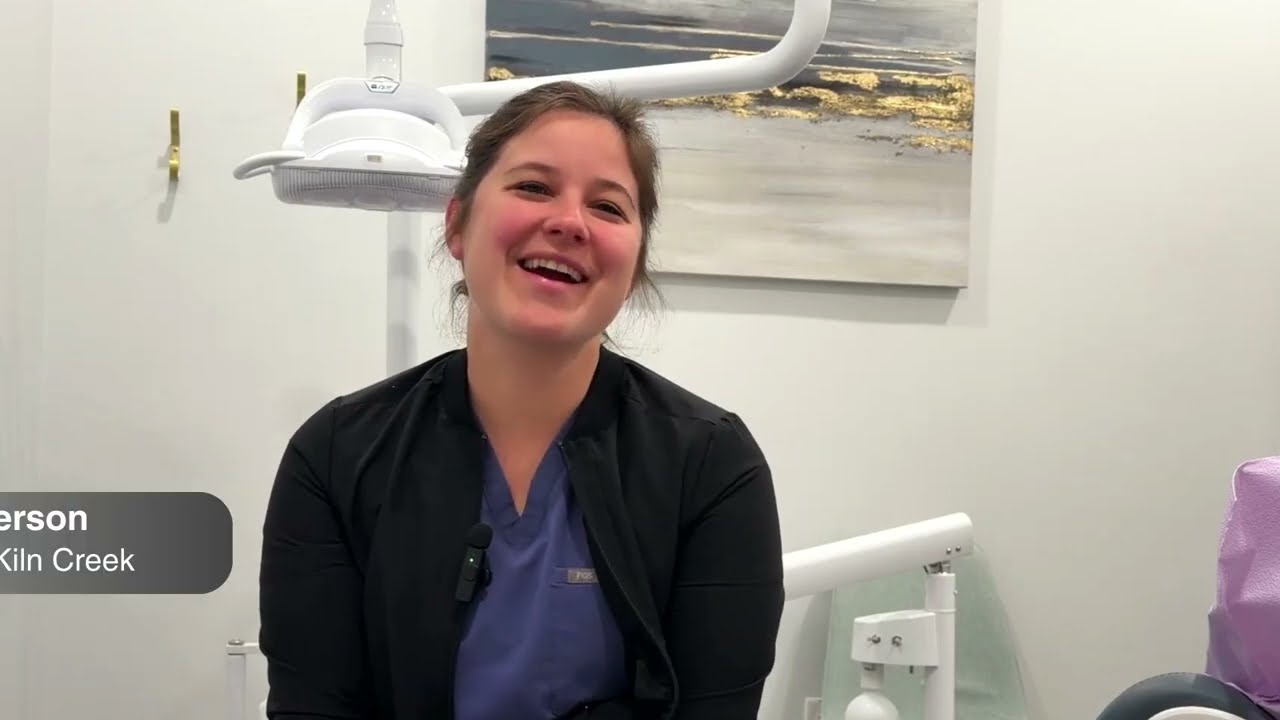
A root canal is a short-term terminology for a procedure called non-surgical root canal therapy, which means we go into a tooth that needs to have the nerve tissue and the blood supply of the tooth taken out for a few different reasons. Ultimately, we remove the tissue from the hollow spaces inside of the roots, which allows that tooth to then be filled with a permanent filling material inside of the roots.
We usually, in most cases, cover up the top part of the tooth with a crown to protect it from breaking. This allows the tooth to stay in your mouth. You don't have to worry about that tooth having to come out at that time, and it allows you to function, chew, eat, smile, floss, brush—all the good things—just like the tooth was when it had the nerve tissue in it.
What are the signs I might need a root canal?
Signs that you might need a root canal are usually pretty obvious in most cases. You usually have severe pain or some swelling. You just have constant aching that keeps you up at night. No matter how much Tylenol or ibuprofen you take, that tooth is just not calming down. That's typically what we see with a tooth that has a really big cavity or has broken somehow.
Most of the time, people are pretty aware when they have a big toothache that they're going to potentially need a root canal.
What are the consequences of not getting a root canal?
If you don't get a root canal, there are definitely consequences that we see on a regular basis. The most common is that it's not going to get better. The tooth will keep breaking down, and you'll get an infection in the area. Best case scenario, it's an infection that stays pretty consolidated in the area where it is for long enough for us to get to it and get the tooth taken out.
However, we often see people wait too long, and that infection swells up, closing off their eye, or in worst-case scenarios, it can affect your airway, requiring a trip to the hospital to get that taken care of. It's definitely a time-sensitive dental procedure that needs to be addressed, and for your long-term health and safety, we want to make sure that we get treatment on that tooth done as soon as we can.
Are there sedation options for root canal treatments?
You can definitely get sedated if the thought of getting a root canal is too intimidating for you. Here at Smiles of Kiln Creek, we have the laughing gas option, which is a very light level of sedation that does not require someone to drive you. You can have food or not; it's not as specific as when you start to get into the heavier sedations.
Our Williamsburg office offers oral sedation, which is a little heavier. We can always refer you to a specialist if you feel like you need to have IV sedation, where you have no awareness of what's going on, if that's the best option for you.
Are there any care instructions after I have a root canal?
After you've had a root canal, especially on back teeth, we recommend that you have a crown put on the tooth. Since the life supply of the tooth has been removed, it becomes very brittle and weak. We want to protect the investment and protect the tooth for the long haul by putting a crown, which is like a porcelain helmet that goes on top of the tooth to prevent it from cracking and breaking.
That's the best way to ensure that the root canal tooth lasts as long as we want it to, which we typically see. The first time you get a root canal, as long as everything's in the standard procedure world, you get about 10 years out of a root canal tooth in most cases. We want to make sure we get as long as we can out of that investment you've put in.
At Smiles of Kiln Creek, you come first. Whether you need dental care or simply have questions, call us at (757) 996-4655 or email [email protected] to schedule your visit. Our team is here to help you every step of the way.